
03/08/2026
What is the Critical Role of a Roof Valley in Your Dallas-Fort Worth Home

Every roof tells a story through its angles, slopes, and intersections. Among the most important structural features on any residential roof is the roof valley, the V-shaped channel formed where two sloping roof planes meet. If your Dallas-Fort Worth home has anything more complex than a simple gable design, chances are your roof has at least one valley directing water safely off the structure. Understanding how these valleys work, why they matter, and how to maintain them is essential knowledge for every DFW homeowner.
A roof valley handles a disproportionate amount of water runoff compared to any other section of your roof. During the heavy downpours that are common across North Texas, especially during spring storm season, valleys channel thousands of gallons of water toward the gutters and away from your home’s foundation. When a roof valley fails, the consequences can be severe, including interior leaks, rotted decking, damaged insulation, and even structural compromise.
Whether you are building a new home, planning a roof replacement, or simply trying to understand why a certain area of your roof seems prone to issues, this guide covers everything you need to know about roof valleys and their critical role in protecting your Dallas-Fort Worth property.
What Exactly Is a Roof Valley?
A roof valley is the internal angle created where two sections of roof slope downward and meet. Think of it as the low point between two peaks. Every time rain falls on your roof, gravity pulls the water downward along the shingles. When water from two different roof sections converges at a valley, the volume increases significantly. That concentrated flow makes valleys one of the highest-traffic areas for water on any roof.
How Roof Valleys Differ from Other Roof Features
While ridges run along the top where two slopes meet at a peak, valleys occupy the opposite position. They sit at the bottom of intersecting slopes. This distinction matters because ridges primarily deal with wind and ventilation, while valleys handle the bulk of water management. Other roof features like hips, rakes, and eaves each play their own roles, but none carries as much concentrated water volume as a properly functioning valley.
Why DFW Homes Have Multiple Valleys
Many homes across Fort Worth, Arlington, Keller, and Southlake feature complex roof designs with multiple valleys. Architectural styles popular in North Texas, including ranch-style homes with wings, two-story colonials with front-facing gables, and modern designs with intersecting rooflines, all create valleys where different roof planes connect. The more complex your roofline, the more valleys your roof has, and the more attention those valleys require.
Types of Roof Valley Construction
Not all roof valleys are built the same way. The construction method used on your valley affects its durability, its ability to handle heavy rain, and its long-term maintenance requirements. There are three primary types of roof valley construction that you will encounter on DFW homes.
Open Valleys
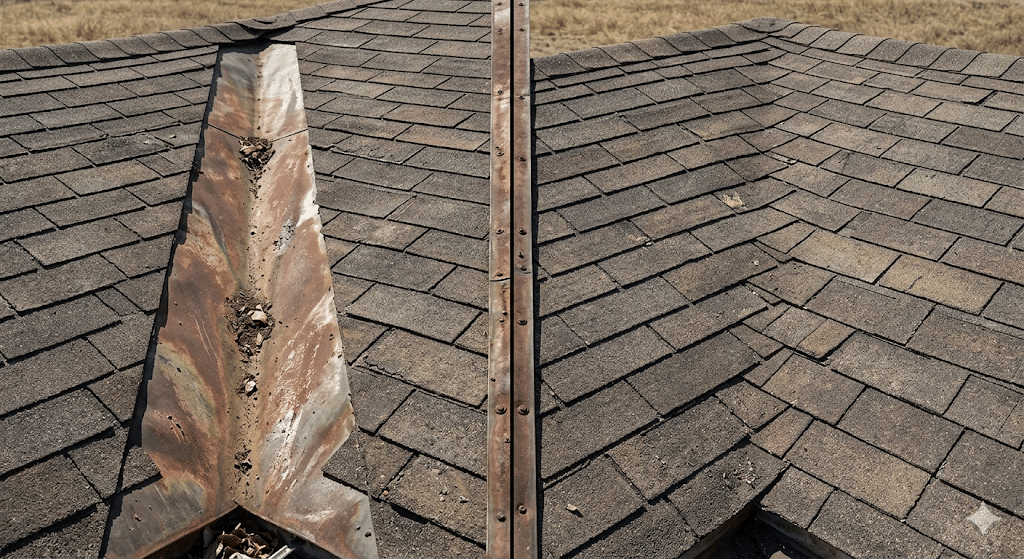
An open valley uses metal flashing, typically galvanized steel or aluminum, that is visible between the shingles on either side. The shingles are cut back from the center of the valley, leaving the metal channel exposed. This design allows water to flow freely down the valley without obstruction.
Open valleys are considered the most durable option for areas with heavy rainfall. The exposed metal provides a smooth, unobstructed path for water, reducing the chance of debris buildup and ice damming. For North Texas homes that deal with sudden heavy downpours, open valleys are an excellent choice. The metal flashing is typically installed over an ice and water shield membrane for added protection.
Closed-Cut Valleys

In a closed-cut valley, shingles from one side of the valley extend across the valley center, while shingles from the other side are trimmed along a straight line a few inches from the centerline. This creates a cleaner appearance than an open valley because no metal flashing is visible.
Closed-cut valleys are popular in DFW residential construction because they provide a streamlined look. However, they can be more susceptible to debris accumulation and may require more frequent maintenance in areas with heavy tree cover. The overlapping shingles also mean that water travels under one layer of shingles before exiting the valley, which demands precise installation to prevent leaks.
Woven Valleys

A woven valley, also called an interlaced valley, alternates shingles from each side of the valley so they overlap each other in a woven pattern. No shingles are cut, and no metal flashing is exposed. This method creates a uniform appearance across the entire roof surface.
While woven valleys can look attractive, they are generally considered the least reliable of the three methods. The overlapping shingles can trap debris and moisture, and the weaving process can create inconsistencies that lead to premature wear. Most experienced roofing professionals in the DFW area recommend open or closed-cut valleys for their superior long-term performance.
Common Roof Valley Problems in North Texas
The DFW metroplex presents specific challenges that make roof valleys particularly vulnerable. Understanding these common problems helps you spot issues early and address them before they cause serious damage.
Debris Accumulation
North Texas homes, especially those in neighborhoods with mature oak, pecan, and elm trees, deal with significant leaf and debris accumulation in roof valleys. Leaves, twigs, and seed pods collect in the V-shaped channel, creating dams that prevent water from flowing freely. When water backs up behind a debris dam during a heavy rain, it can work its way under the shingles and into the roof structure.
Regular cleaning, particularly in the fall after leaves drop and in the spring after storm season, is essential for keeping valleys clear. A professional roof maintenance visit typically includes valley cleaning as part of the service.
Storm Damage and Erosion
The severe thunderstorms that roll through DFW from March through June bring heavy rain, high winds, and hail. These storms can damage valley flashing, dislodge shingles along the valley edges, and erode the granule surface of shingles in the valley area. Because valleys handle concentrated water flow, any damage in these areas has an outsized impact on the roof’s ability to shed water.
After any significant storm, valleys should be one of the first areas inspected. Look for displaced shingles, visible flashing damage, or granule accumulation in your gutters near valley downspout locations.
Improper Installation
A roof valley is only as reliable as the quality of its installation. Unfortunately, some contractors cut corners by skipping the ice and water shield underlayment, using inadequate flashing materials, failing to properly overlap shingles, or nailing through the valley center where water flow is heaviest. These installation shortcuts may not cause immediate problems, but they dramatically increase the likelihood of leaks within the first five to ten years.
Thermal Movement and Expansion
North Texas experiences dramatic temperature swings, sometimes 40 to 50 degrees in a single day during spring and fall. These rapid changes cause roofing materials to expand and contract repeatedly. Over time, this thermal cycling can cause valley flashing to buckle, shingle seals to crack, and gaps to develop at the valley’s edge. This problem is particularly common on south-facing and west-facing valleys that absorb the most direct sunlight.
How to Maintain Your Roof Valleys
Proper valley maintenance does not require extensive effort, but it does require consistency. Here are the most effective maintenance practices for DFW homeowners.
Seasonal Inspections
Inspect your roof valleys at least twice a year, once in the spring and once in the fall. From the ground, look for visible debris accumulation, displaced shingles, or discolored areas that might indicate moisture problems. Binoculars can help you get a closer look without climbing on the roof.
Professional Annual Inspections
While ground-level checks are helpful, nothing replaces a hands-on inspection by a qualified roofing professional. An experienced roofer will walk the roof, check the condition of the flashing, examine the shingle edges along the valley, and inspect the underlayment where accessible. They can also identify early signs of wear that are invisible from the ground.
Gutter Maintenance
Your valleys feed directly into your gutter system. If gutters are clogged or damaged, water backs up at the base of the valley, increasing the risk of leaks and fascia damage. Keep gutters clear, ensure downspouts are directing water away from the foundation, and consider gutter guards if debris is a persistent problem.
Tree Management
If trees overhang your roof valleys, keep branches trimmed back at least six to eight feet. This reduces leaf accumulation, prevents branch damage during storms, and allows the valley area to dry more quickly after rain. In a region where sudden storm winds can snap large branches, keeping trees managed is both a roof care and safety measure.
Roof Valley Repair and Replacement
When valley problems are identified, prompt repair is essential. The approach depends on the severity of the issue.
Minor Valley Repairs
Small issues such as lifted shingles along the valley edge, minor flashing separations, or localized sealant failures can often be repaired without replacing the entire valley. A skilled roofer will reseal or replace the affected shingles, apply roofing cement to gaps in the flashing, and ensure the water barrier is intact. Minor repairs typically cost between $200 and $600 in the DFW area.
Valley Re-flashing
If the metal flashing in an open valley has corroded, buckled, or developed holes, a complete re-flashing may be necessary. This involves removing the shingles along both sides of the valley, removing the old flashing and underlayment, installing new ice and water shield and fresh metal flashing, and reinstalling the shingles with proper overlap and sealing. Valley re-flashing is a more involved repair that typically costs between $500 and $1,500, depending on the length of the valley and the roofing materials involved.
Full Valley Replacement During Reroof
If you are planning a full roof replacement, this is the ideal time to upgrade your valleys. Many homeowners who had woven or poorly installed closed-cut valleys choose to switch to open valleys with high-quality metal flashing during a reroof. This upgrade adds minimal cost to the overall project but provides significantly better long-term water management.
How Roof Valleys Impact Your Home’s Overall Protection
The performance of your roof valleys has a direct impact on several aspects of your home beyond just keeping rain out.
Foundation Protection
Properly functioning valleys channel water into the gutter system, which directs it away from your home’s foundation through downspouts and drainage. When valleys fail and water runs down the exterior walls instead, it can pool around the foundation, contributing to settling, cracking, and moisture intrusion in the slab or basement.
Energy Efficiency
Leaking valleys can saturate attic insulation, dramatically reducing its effectiveness. In the DFW heat, this means your air conditioning system works harder, driving up energy costs throughout the summer months. Keeping valleys sealed and functional directly supports your home’s energy efficiency.
Resale Value
When prospective buyers or their home inspectors evaluate a roof, valleys are one of the first areas they check. Well-maintained valleys signal a homeowner who takes care of their property. Conversely, stained ceilings, damaged valley flashing, or visible patching can raise red flags and reduce your home’s market value.
Stop Roof Valley Leaks Early with a Free DFW Inspection
Your roof valleys are among the highest-stress areas on your entire roof, and problems in these zones can escalate quickly if left unaddressed. Whether you have noticed debris buildup, suspect flashing damage after a recent storm, or simply want peace of mind before the next rain season, a professional valley inspection is a smart investment.
Veteran Brothers Roofing and Restoration provides complimentary roof inspections for homeowners throughout the Dallas-Fort Worth metroplex. Our experienced crew will examine your valleys, check the condition of your flashing and underlayment, and give you a thorough assessment with no obligation.
Call us today at (817) 875-9834 to schedule your complimentary roof inspection. We proudly serve Fort Worth, Arlington, Keller, Southlake, and communities throughout the greater DFW area.
Frequently Asked Questions
How do I know if my roof valley is leaking?
Common signs include water stains on ceilings or walls beneath a valley, damp or discolored insulation in the attic near a valley location, peeling paint on interior walls, and a musty smell in rooms below the roofline. During heavy rain, you may also notice water dripping into the attic. If you observe any of these signs, schedule a professional inspection promptly to identify the source and prevent further damage.
How long does roof valley flashing last in the DFW climate?
Quality metal flashing, such as galvanized steel or aluminum, typically lasts 20 to 30 years in the North Texas climate. However, factors such as storm damage, thermal cycling, and debris accumulation can shorten that lifespan. Copper flashing can last significantly longer but comes at a higher initial cost. Regular inspections help you gauge the condition of your flashing and plan for replacement before failures occur.
Can I clean my roof valleys myself?
While you can remove visible debris from gutters and observe valleys from the ground, climbing onto the roof to clean valleys carries significant safety risks. Roof surfaces can be slippery, and walking on shingles incorrectly can cause damage. We recommend hiring a professional for hands-on valley cleaning and maintenance. The cost is modest compared to the risk of a fall or accidental roof damage.
What is the best type of valley for a North Texas home?
For most DFW homes, open valleys with quality metal flashing and ice and water shield underlayment provide the best combination of durability and water management. They are easier to maintain, less prone to debris buildup, and handle heavy rain more effectively than closed-cut or woven alternatives. Your roofing contractor can recommend the best option based on your specific roof design and budget.
About Veteran Brothers Roofing & Restoration
Veteran Brothers Roofing & Restoration is a trusted roofing company proudly serving homeowners and businesses throughout the Dallas-Fort Worth metroplex. Founded by military veterans, our team brings the same discipline, integrity, and attention to detail that defined our service to our country into every roofing project we take on. From roof valley repair and storm damage restoration to full roof replacements and preventive maintenance, we deliver exceptional craftsmanship backed by honest communication and transparent pricing. We proudly serve communities across the DFW area, including Fort Worth, Dallas, Arlington, Keller, Southlake, Grapevine, Bedford, Euless, and North Richland Hills. Contact us at (817) 875-9834 to schedule your free roof inspection today.
INCOMING MESSAGE
It’s storm season. If you think there’s been storm damage to your roof, or would simply like the peace of mind of knowing you’re in the clear, Veteran Brothers is here to help.
